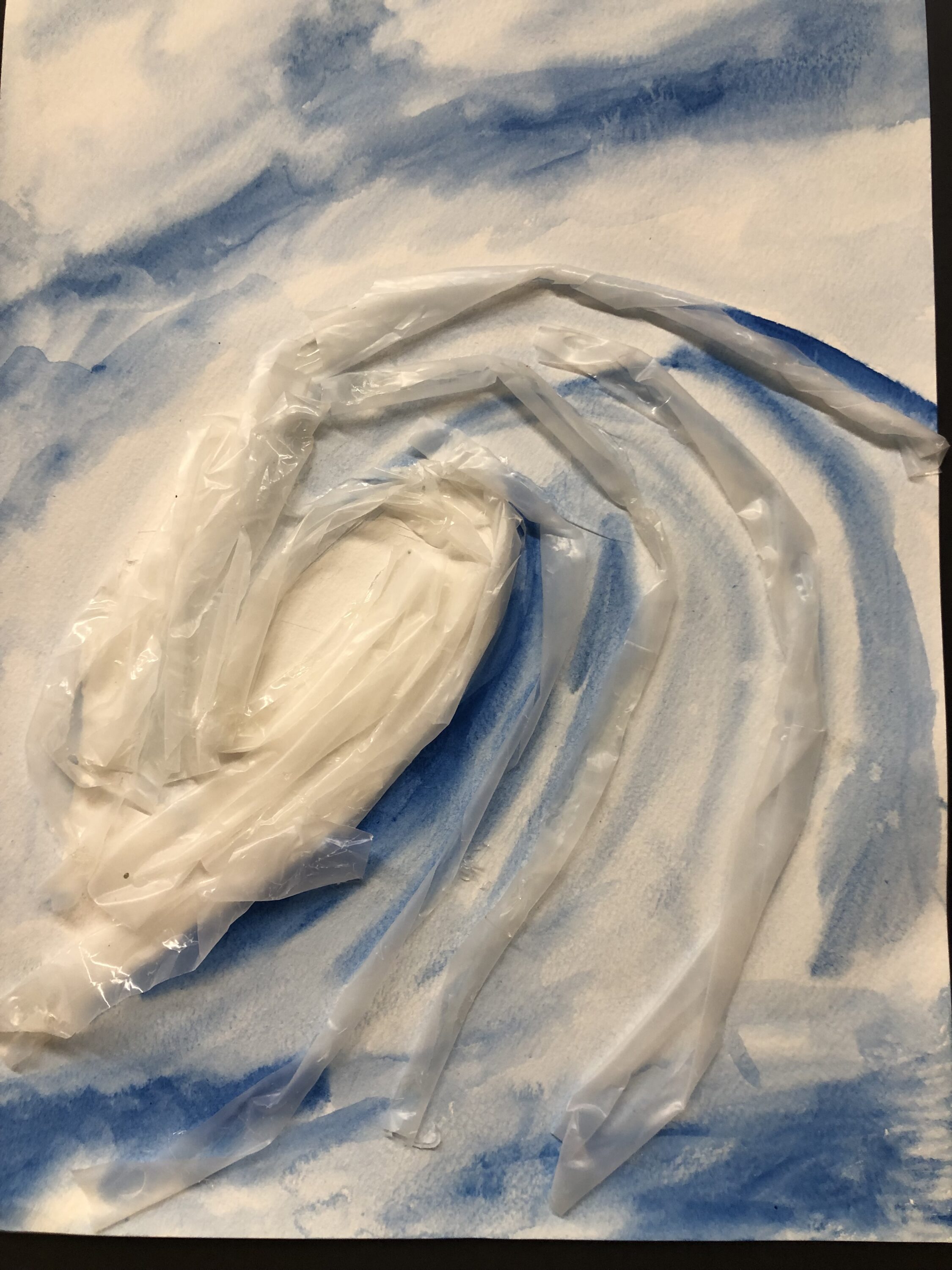
2026 – Thresholds
The 2026 Art of Conservation Competition asked students to illustrate a threshold or transition, whether it be found in their personal connection to the natural world and the environmental challenges young people face, or a specific natural zone, like an ecotone, where two ecosystems collide to form a third. There are different ways to think about a threshold. Abstract examples of a threshold could be the space that lies between individual and collective climate action, or the demarcation between societal progress and stagnation. Literal examples could be the territory that constitutes the convergence of two environs: land and sea, natural and artificial, or the irreversible surpassing of an environmental tipping point connected to habitat loss, ocean acidification, or glacial and sea ice melting. A threshold often simultaneously marks both an end and a beginning — where one world changes into another, but where boundaries are blended.
2026 Winners & Special Distinctions
Maria Barros, 'Thresholds' [First Place, Photography]
![Maria Barros, 'Thresholds' [First Place, Photography]](https://vineyardconservation.org/wp-content/uploads/2026/06/15.-Thresholds-Maria-Barros-1-scaled.jpg)
Floreana Greene, 'Untitled' [First Place, Visual Arts]
![Floreana Greene, 'Untitled' [First Place, Drawing and Painting]](https://vineyardconservation.org/wp-content/uploads/2026/06/Untitled-Floreana-G-.jpg)
Gus Coogan and Grazina Biskis, 'Held in the Sand' [First Place, Sculpture]
![Gus Coogan and Grazina Biskis, 'Held in the Sand' [First Place, Sculpture]](https://vineyardconservation.org/wp-content/uploads/2026/06/IMG_1231-scaled.jpeg)
Kimberly Peres, 'The Distance We Drew' [Special Distinction, Visual Arts]
![Kimberly Peres, 'The Distance We Drew' [Special Distinction, Drawing and Painting]](https://vineyardconservation.org/wp-content/uploads/2026/06/The-Distance-We-Drew-Kimberly-Peres.jpg)
Tahirah Waite, 'Island Life' [Special Distinction, Drawing and Painting]
![Tahirah Waite, 'Island Life' [Special Distinction, Drawing and Painting]](https://vineyardconservation.org/wp-content/uploads/2026/06/Tryptich-full-scaled.jpg)
Cam Welch, 'Ice Cream Sandwich' [Special Distinction, Photography]
![Cam Welch, 'Ice Cream Sandwich' [Special Distinction, Photography]](https://vineyardconservation.org/wp-content/uploads/2026/06/1.-Ice-Cream-Sandwich-Cam-Welch-scaled.jpg)
Davi de Souza, 'Follow your dreams' [Special Distinction, Photography]
![Davi de Souza, 'Follow your dreams' [Special Distinction, Photography]](https://vineyardconservation.org/wp-content/uploads/2026/06/3.-Follow-your-dreams-Davi-de-Souza-scaled.jpg)
Brody Royal, 'The First Leaf' [Special Distinction, Photography]
![Brody Royal, 'The First Leaf' [Special Distinction, Photography]](https://vineyardconservation.org/wp-content/uploads/2026/06/12.-The-First-Leaf-Brody-Royal-scaled.jpg)
E.B. Carestia, 'Purgatory' [Special Distinction, Photography]
![E.B. Carestia, 'Purgatory' [Special Distinction, Photography]](https://vineyardconservation.org/wp-content/uploads/2026/06/22.-Purgatory-E.B.-Carestia-1-scaled.jpg)
Ben Fuller, 'Embarking Journey' [Special Distinction, Photography]
![Ben Fuller, 'Embarking Journey' [Special Distinction, Photography]](https://vineyardconservation.org/wp-content/uploads/2026/06/33.-Embarking-Journey-Ben-Fuller-1-scaled.jpg)
Harvey Proctor, 'Before the Grave' [Special Distinction, Photography]
![Harvey Proctor, 'Before the Grave' [Special Distinction, Photography]](https://vineyardconservation.org/wp-content/uploads/2026/06/19.-Before-the-Grave-Harvey-Proctor-scaled.jpg)
Jasper Grow, 'The Leeches Limen' [Special Distinction, Photography]
![Jasper Grow, 'The Leeches Limen' [Special Distinction, Photography]](https://vineyardconservation.org/wp-content/uploads/2026/06/20.-The-Leeches-Limen-Jasper-Grow-scaled.jpg)
2025 – Beauty in the Weeds
The simplest definition of a weed is a self-seeding plant growing anywhere humans don’t want it. The best example is the dandelion, the yellow and bitter-tasting flower that is a lawn lover’s worst nightmare and a bee’s best friend, and it has powerful medicinal qualities. At the same time, they can multiply by the thousands very quickly due to the fast dispersal of their seeds. Too many dandelions can steal nutrients from other plants, sometimes wreaking havoc on a habitat if not appropriately managed. In light of this, we are asking you what constitutes a weed? And are these plants a friend, instead of foe? Is it a weed or a wildflower, weed or habitat, weed or sustenance?
2025 Winners & Special Distinctions
Antonina Kaluzna, 'Written in the Weeds' [First Place, Photography]

Anthony Da Silva, 'Spring Snowman' [Special Distinction]
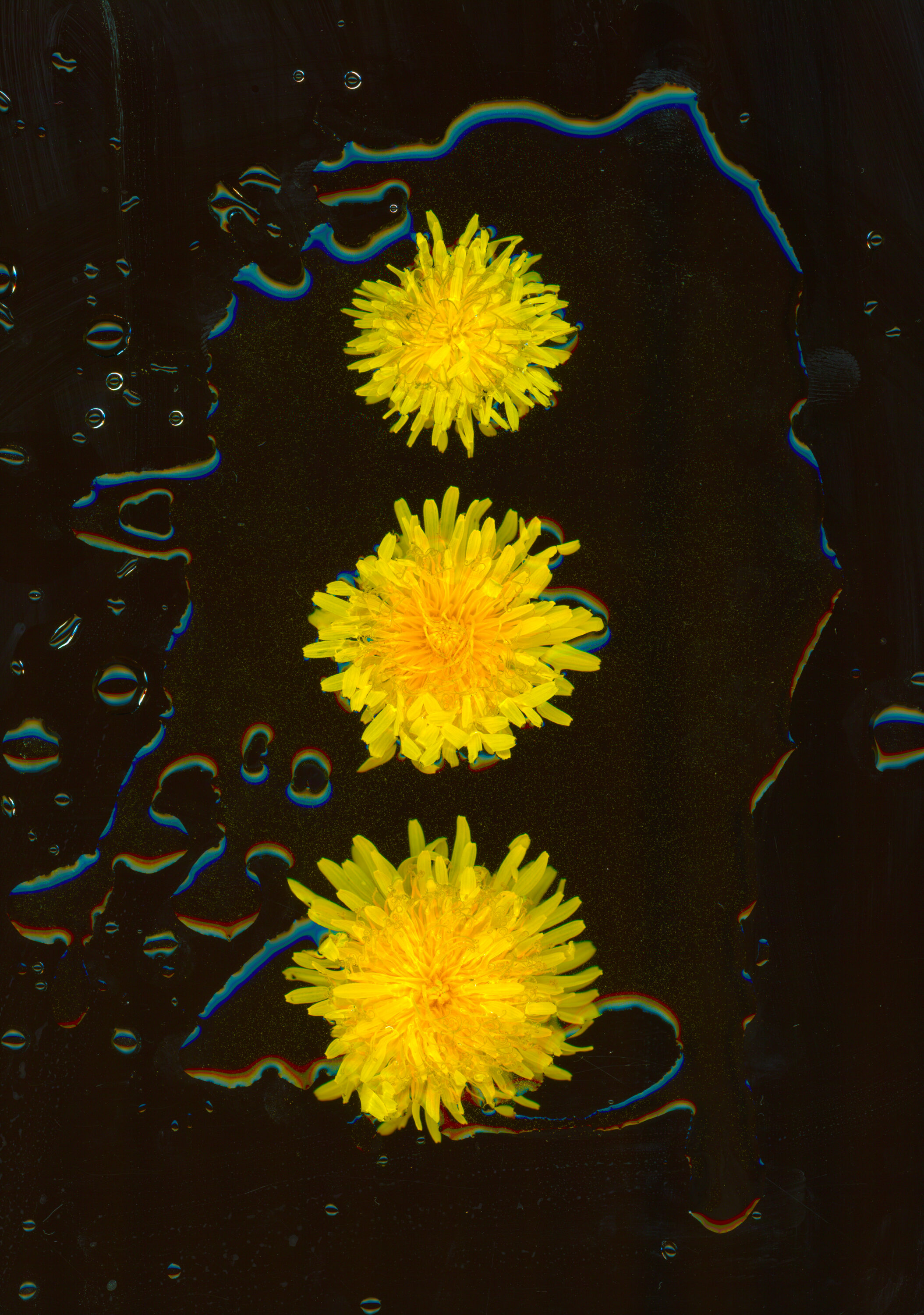
Jackson Munson, 'Lonely Reflection' [First Place]
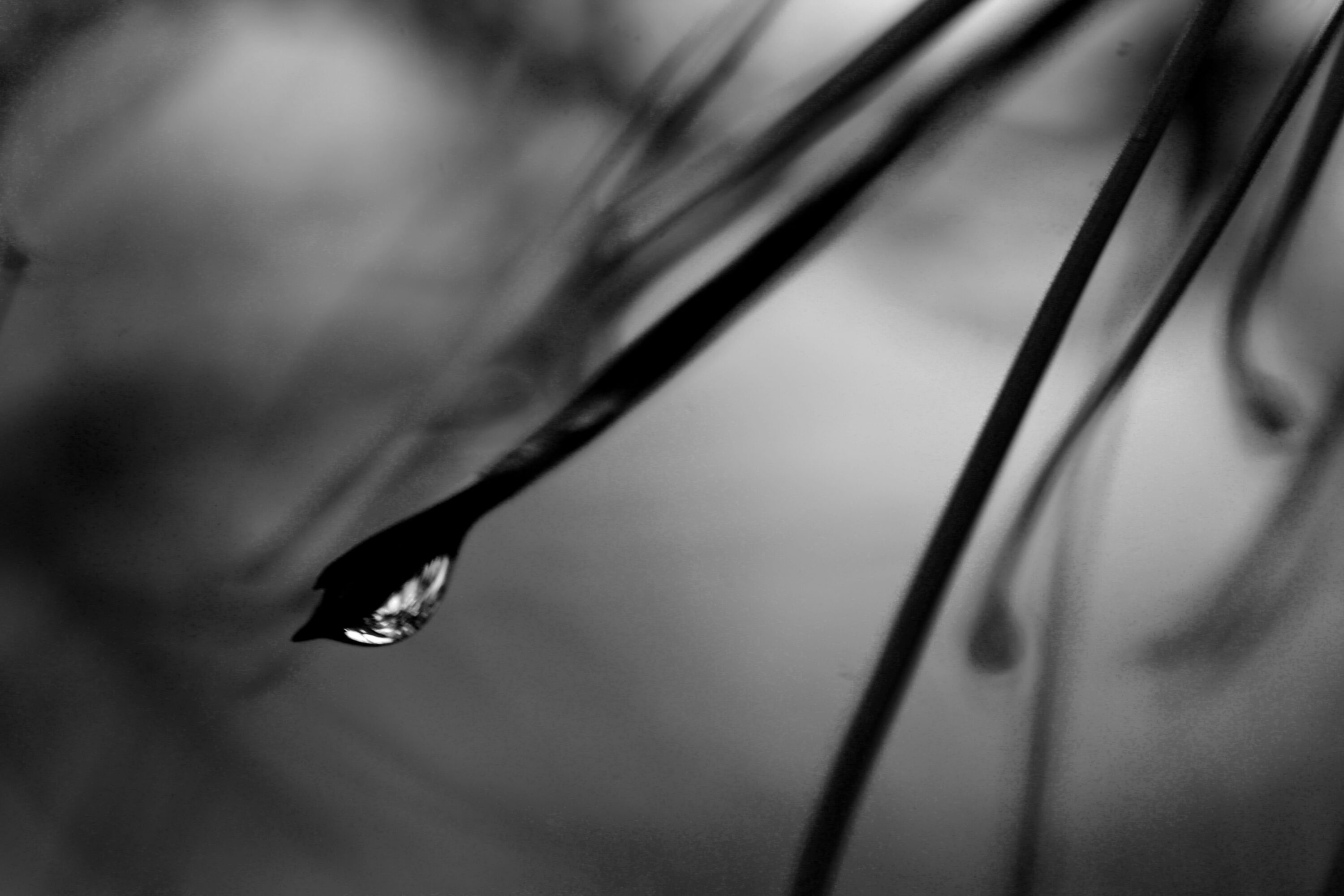
Sophie Winters, 'Beauty Within' [First Place]
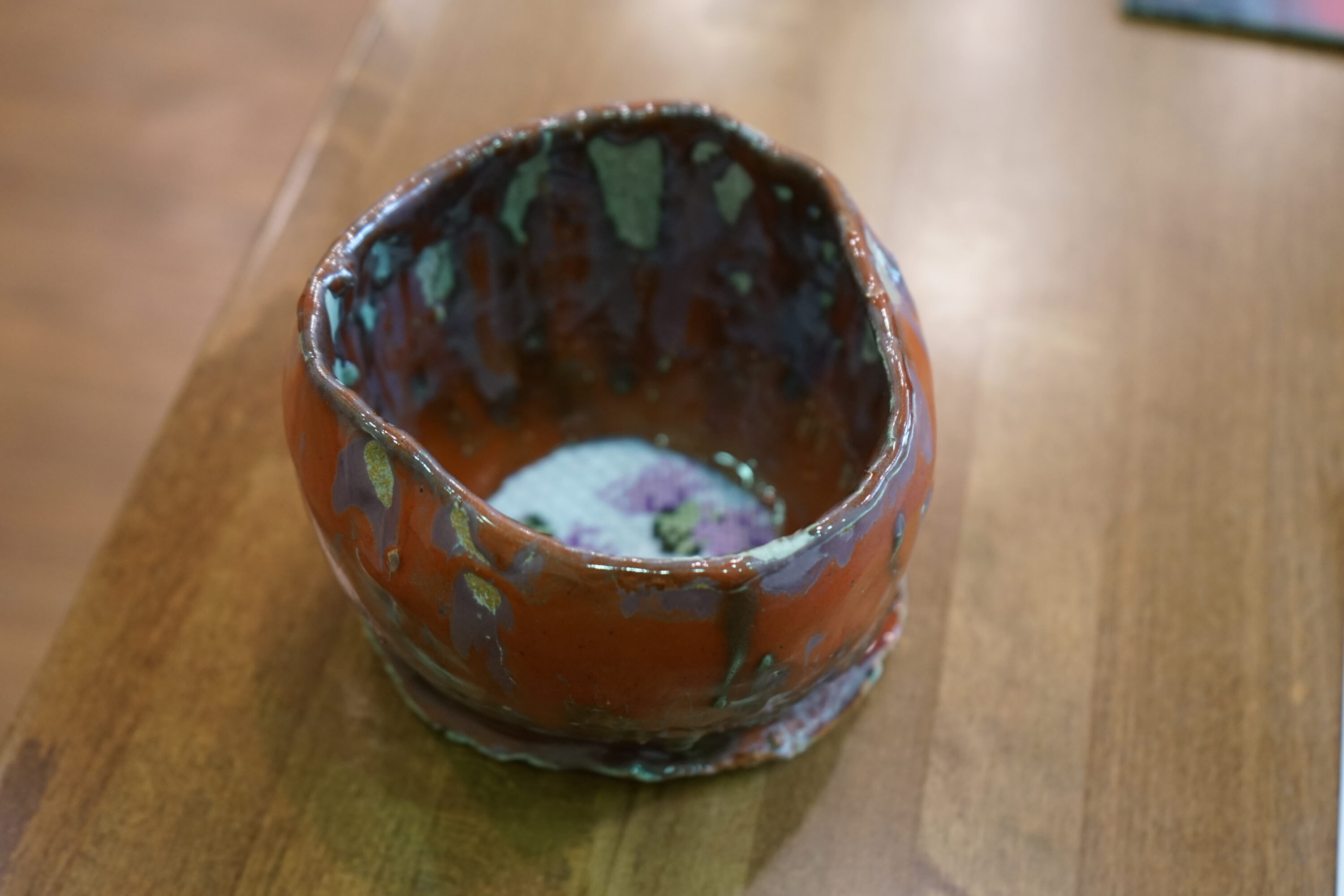
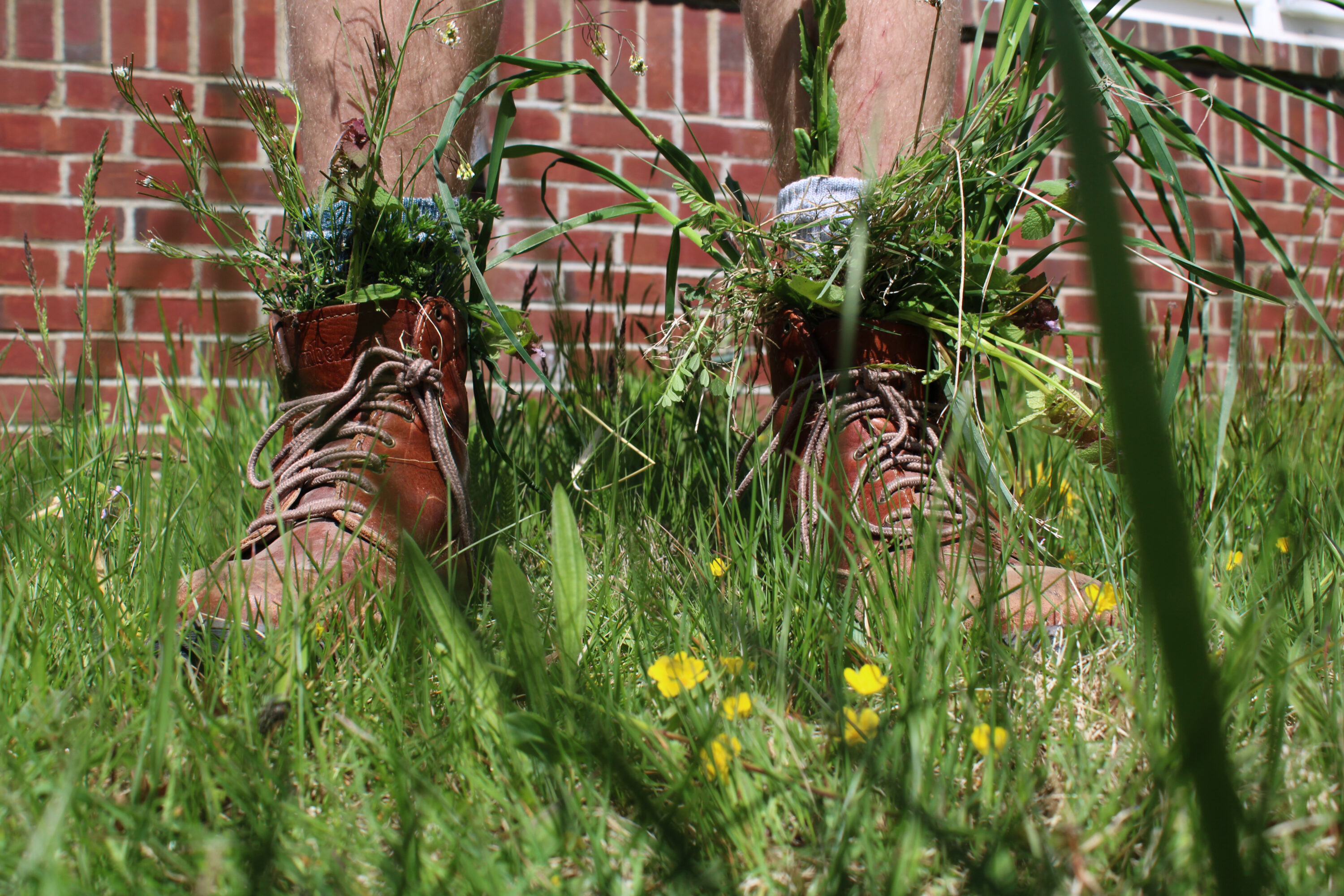
Anina Garvin, 'In His Shoes' [First Place]
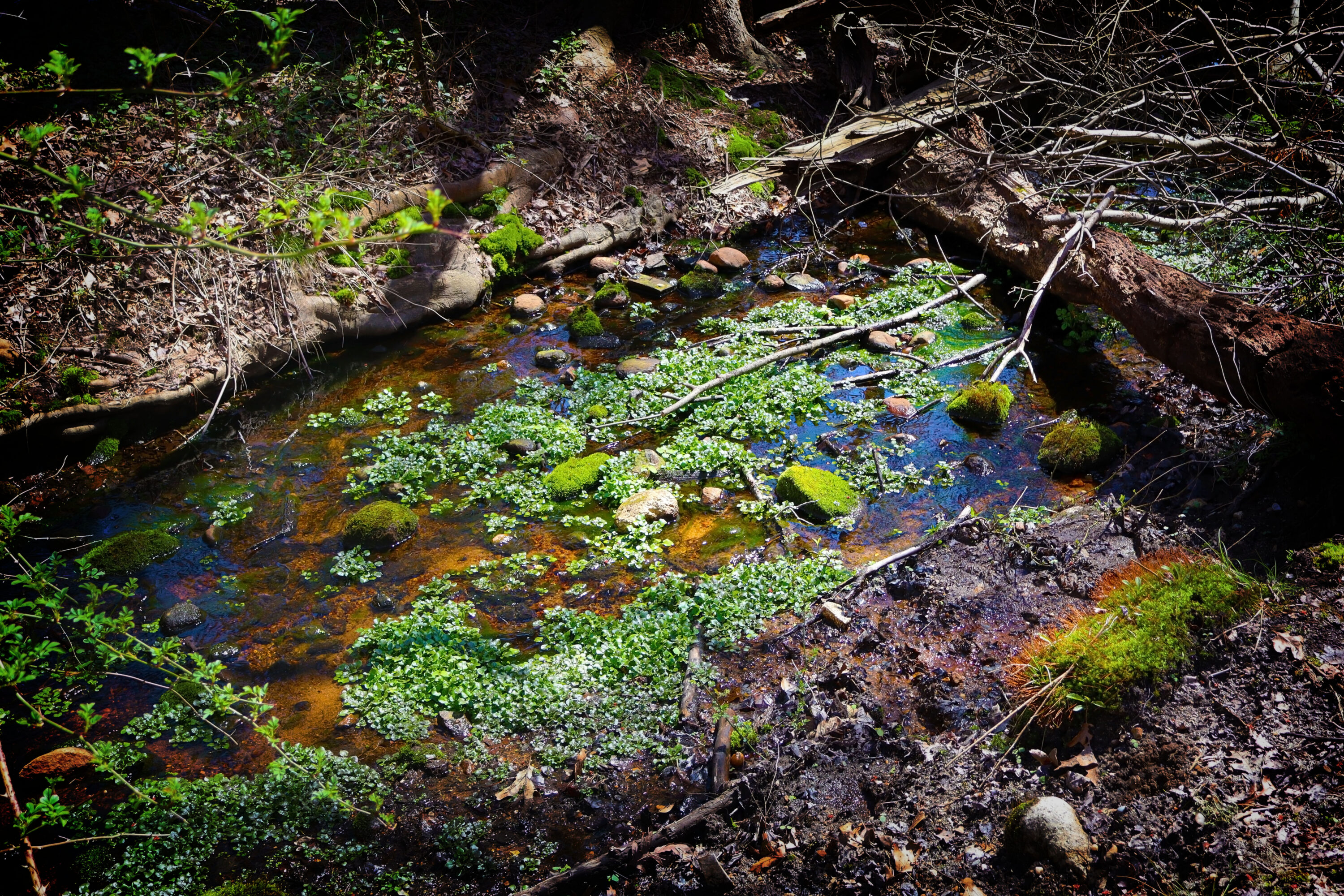
Tripp Arciaga, 'Dead River Full of Life' [First Place]
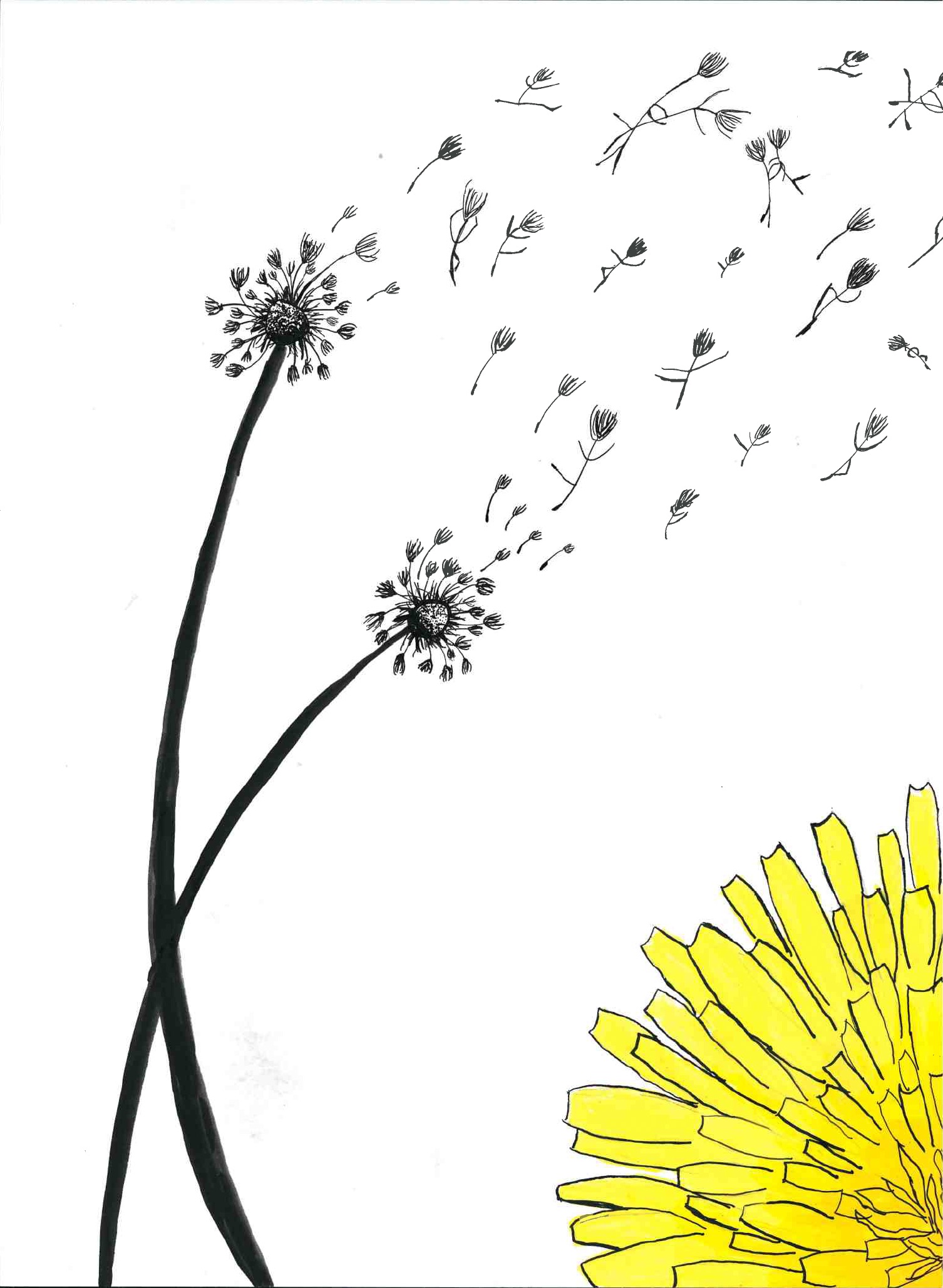
Clara-Rabeni, 'Dancing Weeds' [First Place]
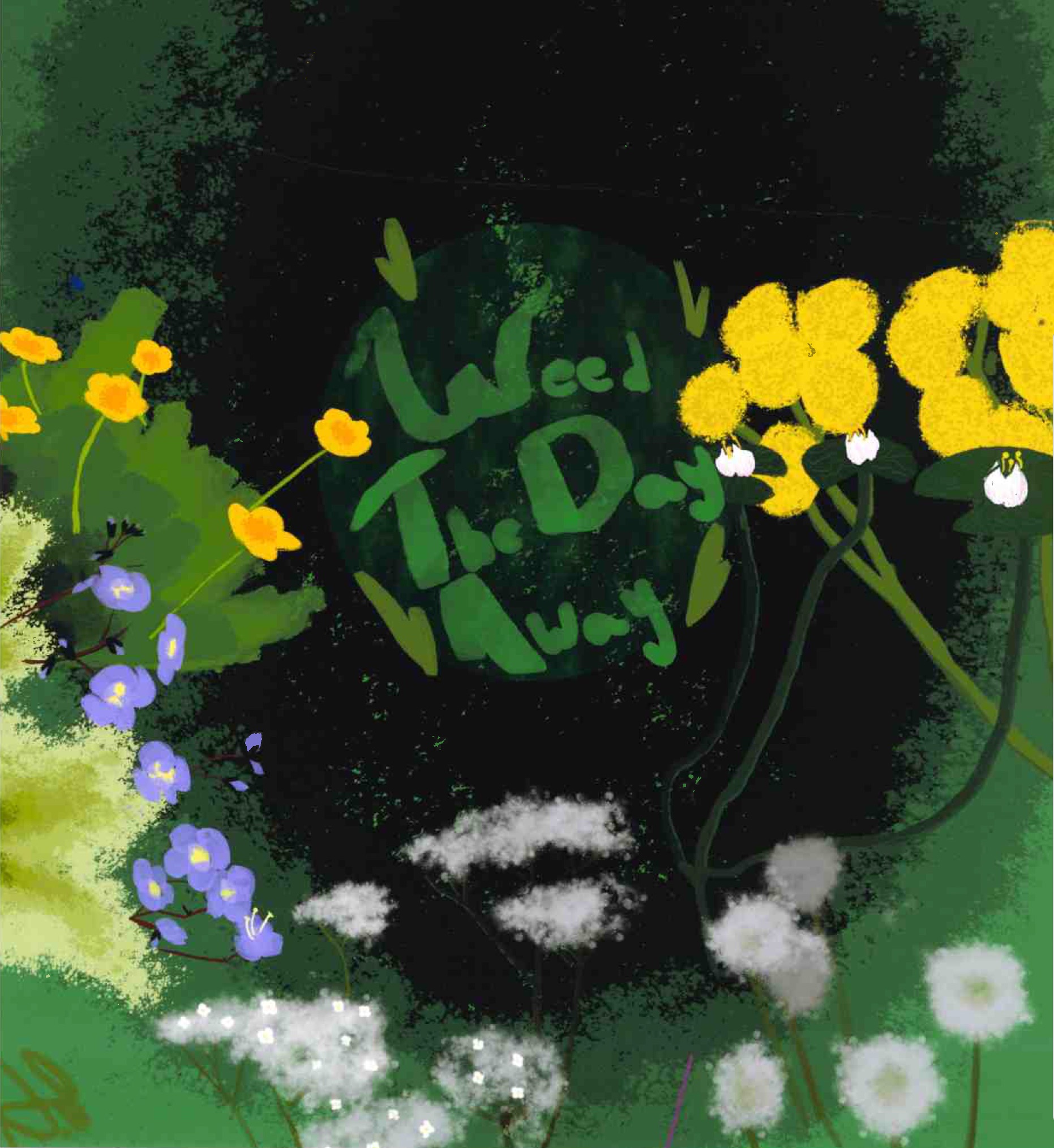
Anthony Smith, 'Weeds of our Dreams' [First Place]
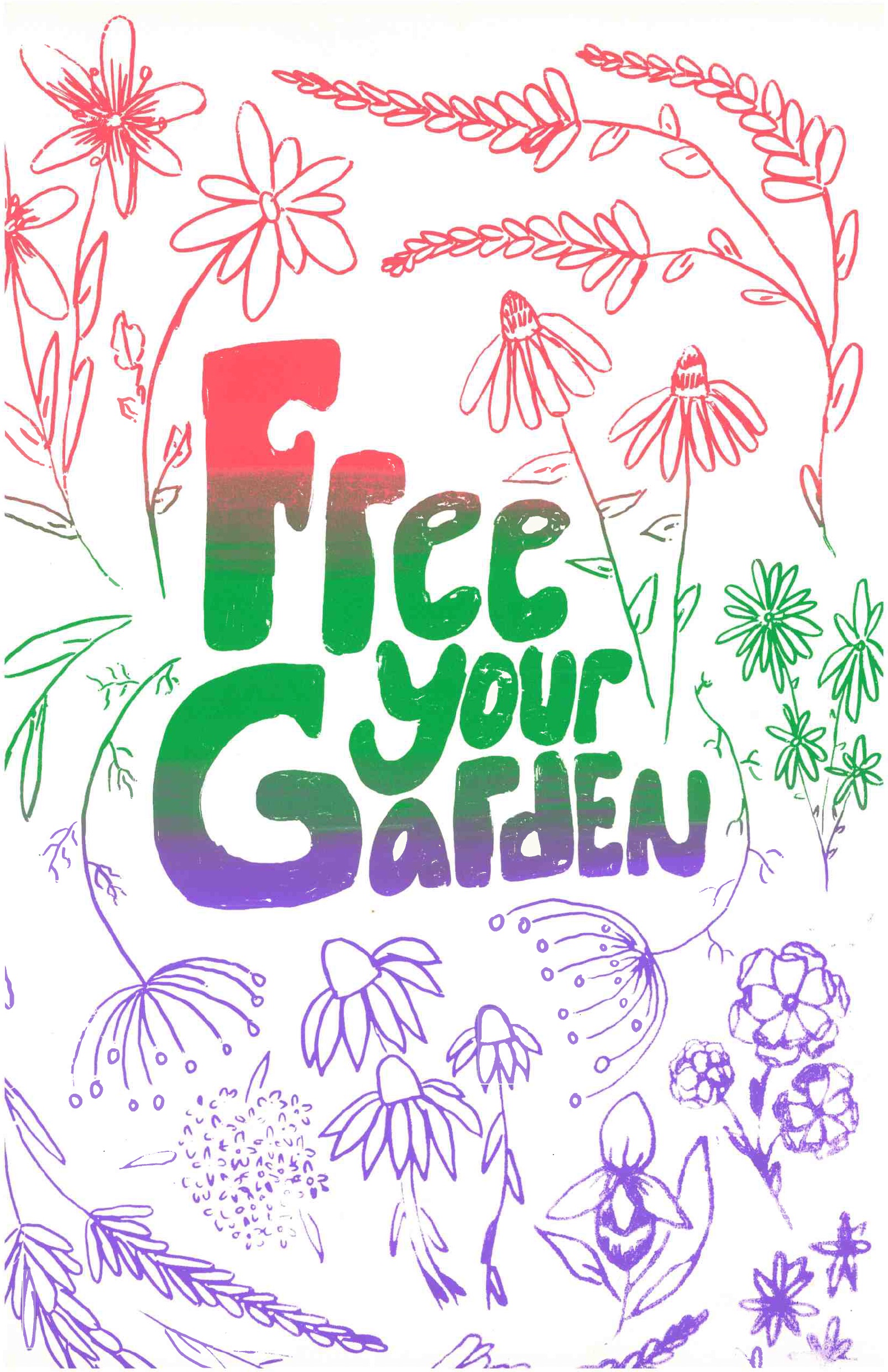
Shealyn-Smyth, 'Free your Garden' [First Place]
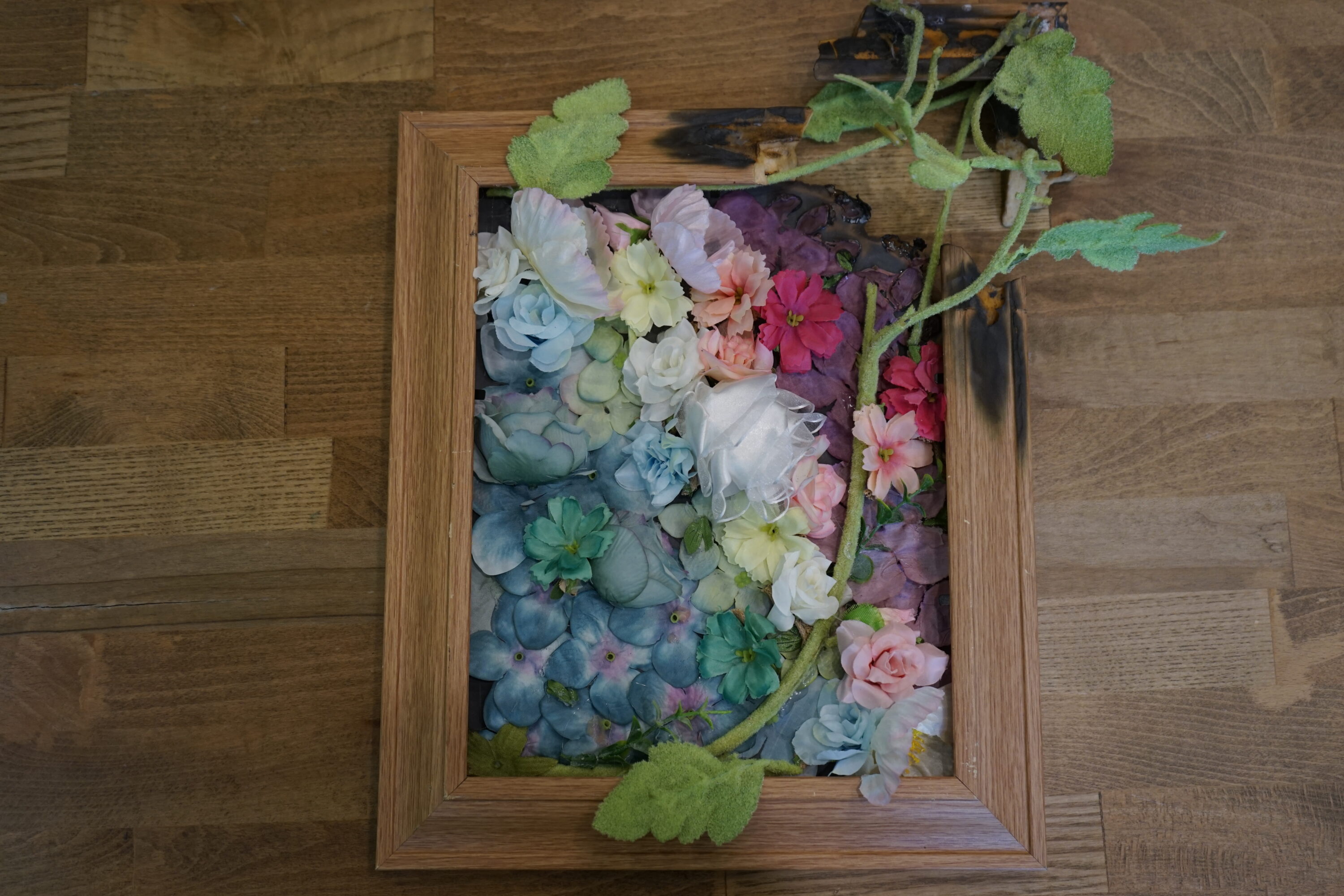
Fractured Remedy, 'Bryan Fernandes' [Special Distinction]
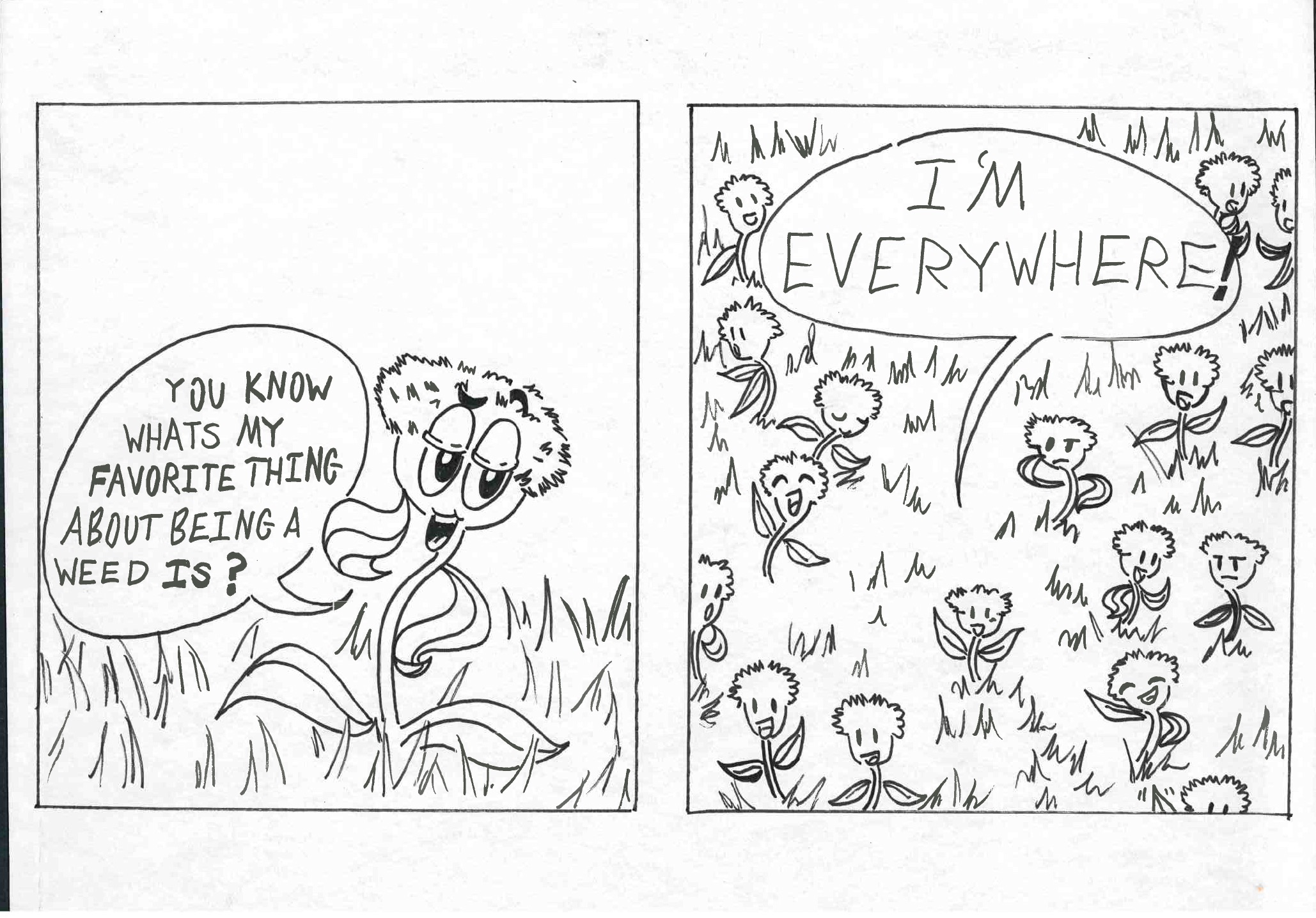
Tahirah Waite, 'Weeds Everywhere' [First Place]
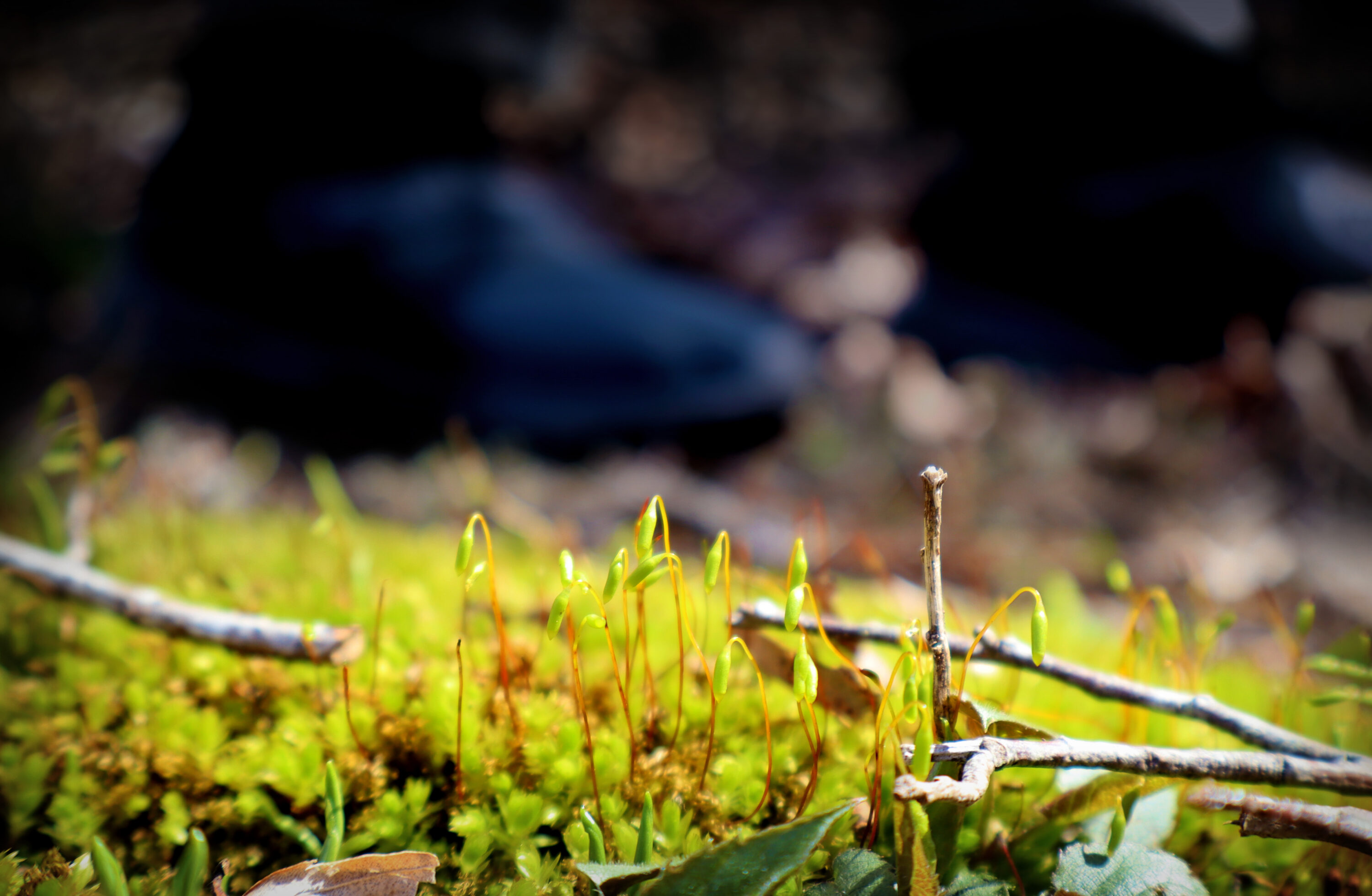
Chloe Cook Soldier, 'Keep on Marching on' [Special Distinction, Photography]
Oscar Flanders, 'I'm Beautiful, Why Am I Unwanted' [Special Distinction]
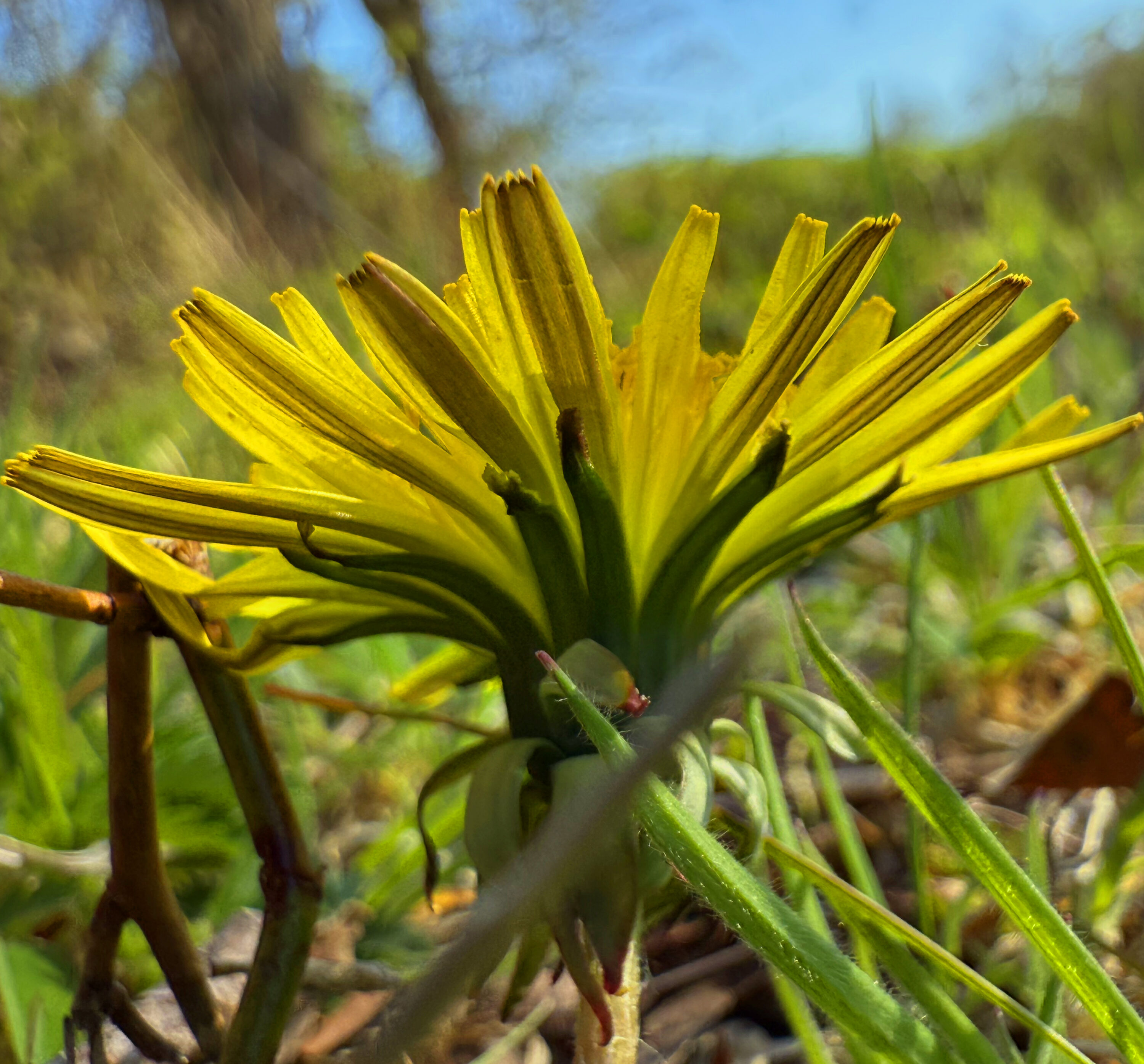
Heitor deOliveira-Vargas, 'Beauty in the weeds' [Special Distinction]
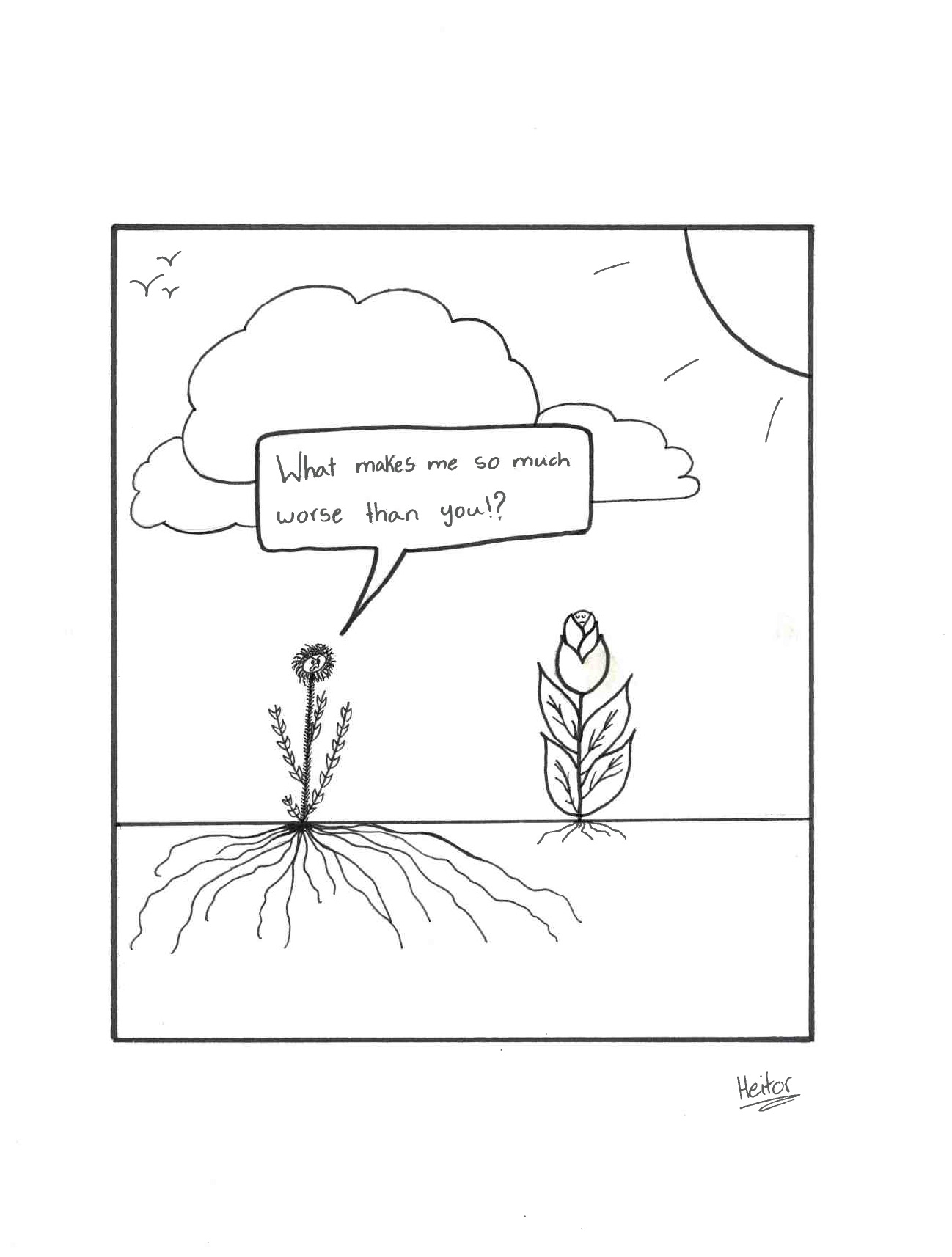
Tevin Araujo, 'Entangled' [VCS Selection]
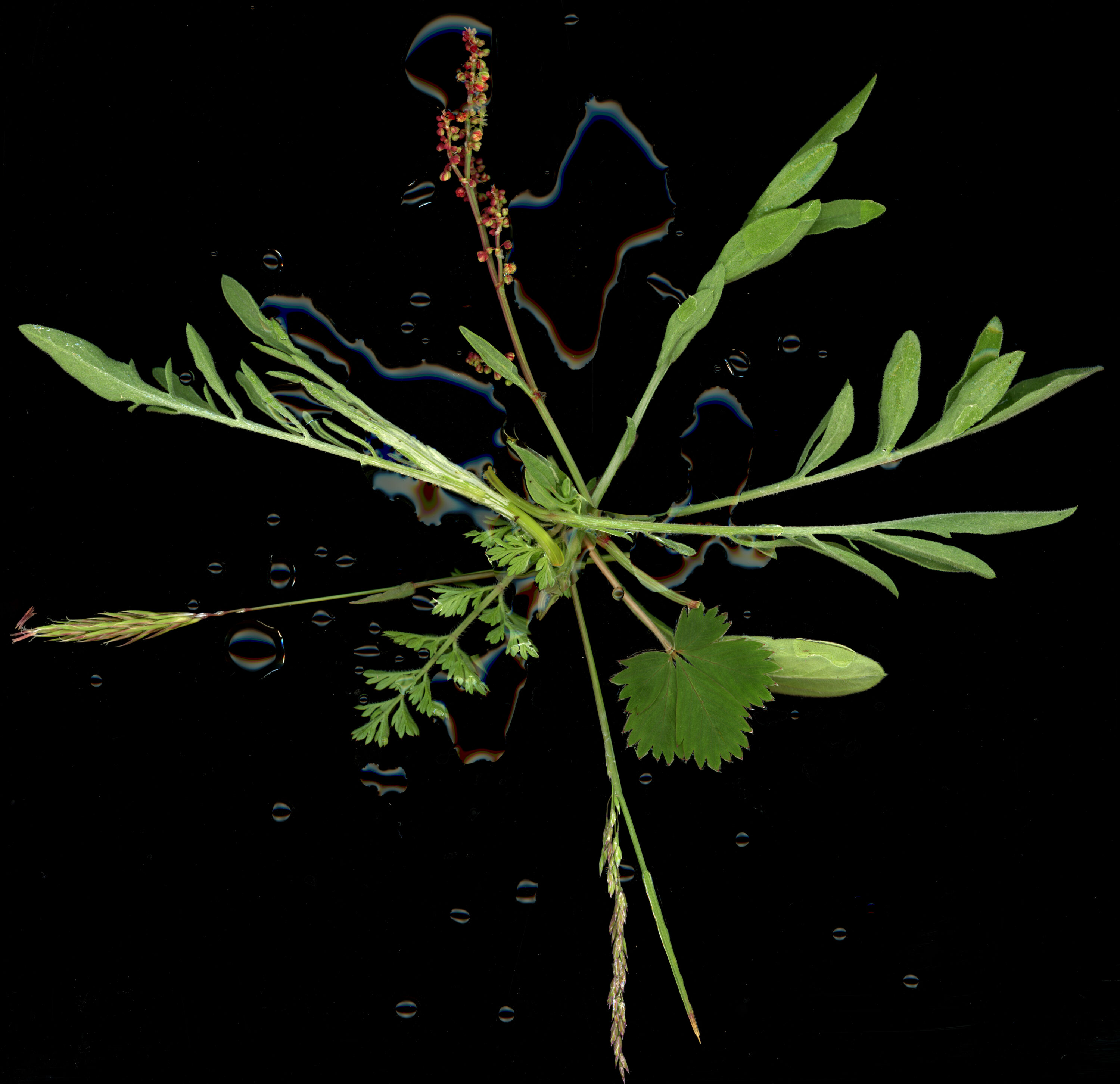
Lauren Sedlier, 'Where the untamed serenity grows' [Special Distinction]

Tatiene Marcelino, 'The Poison Hemlock' [Special Distinction]
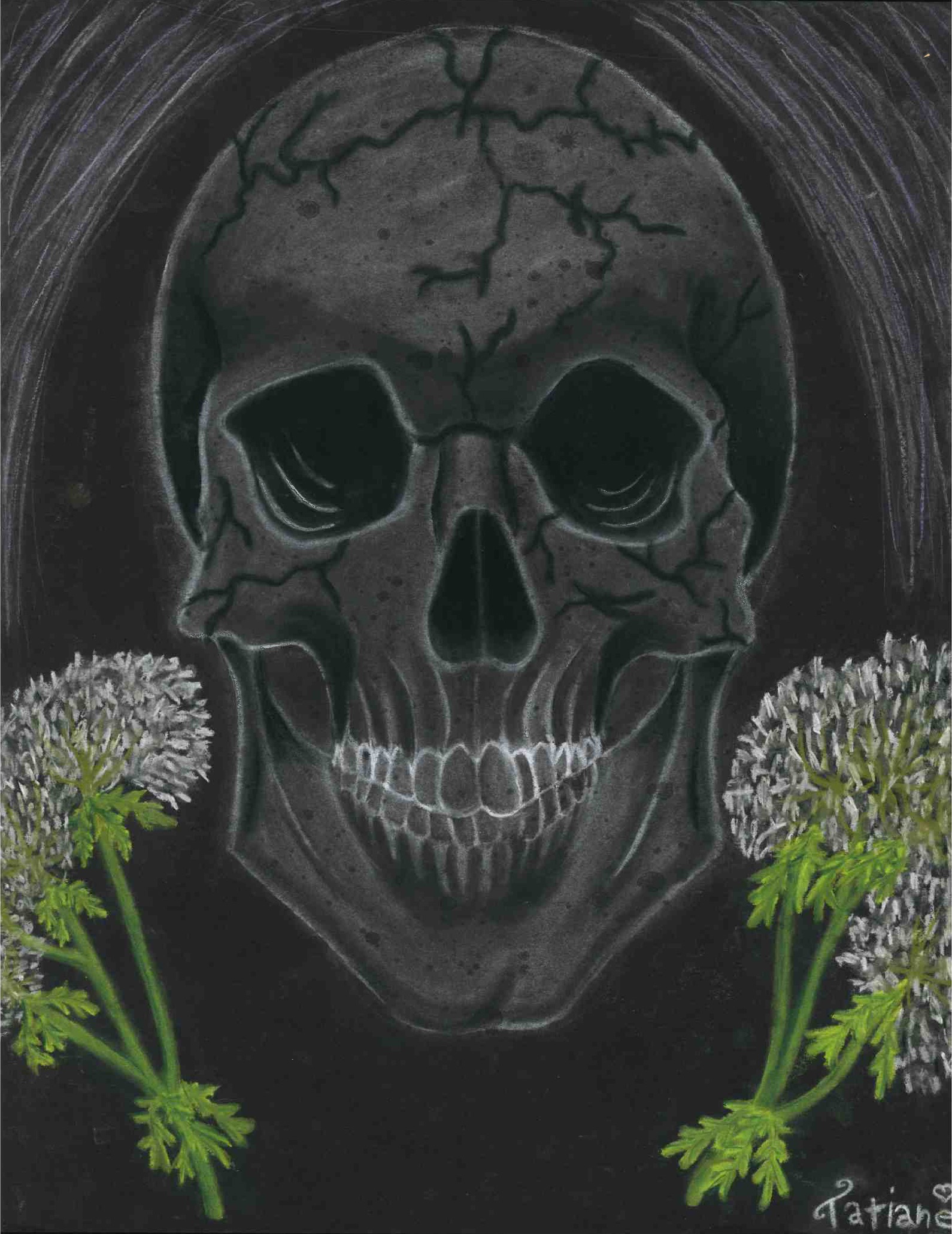
Madeleine Coulter, 'Do you suppose she is a wildflower' [VCS Selection]
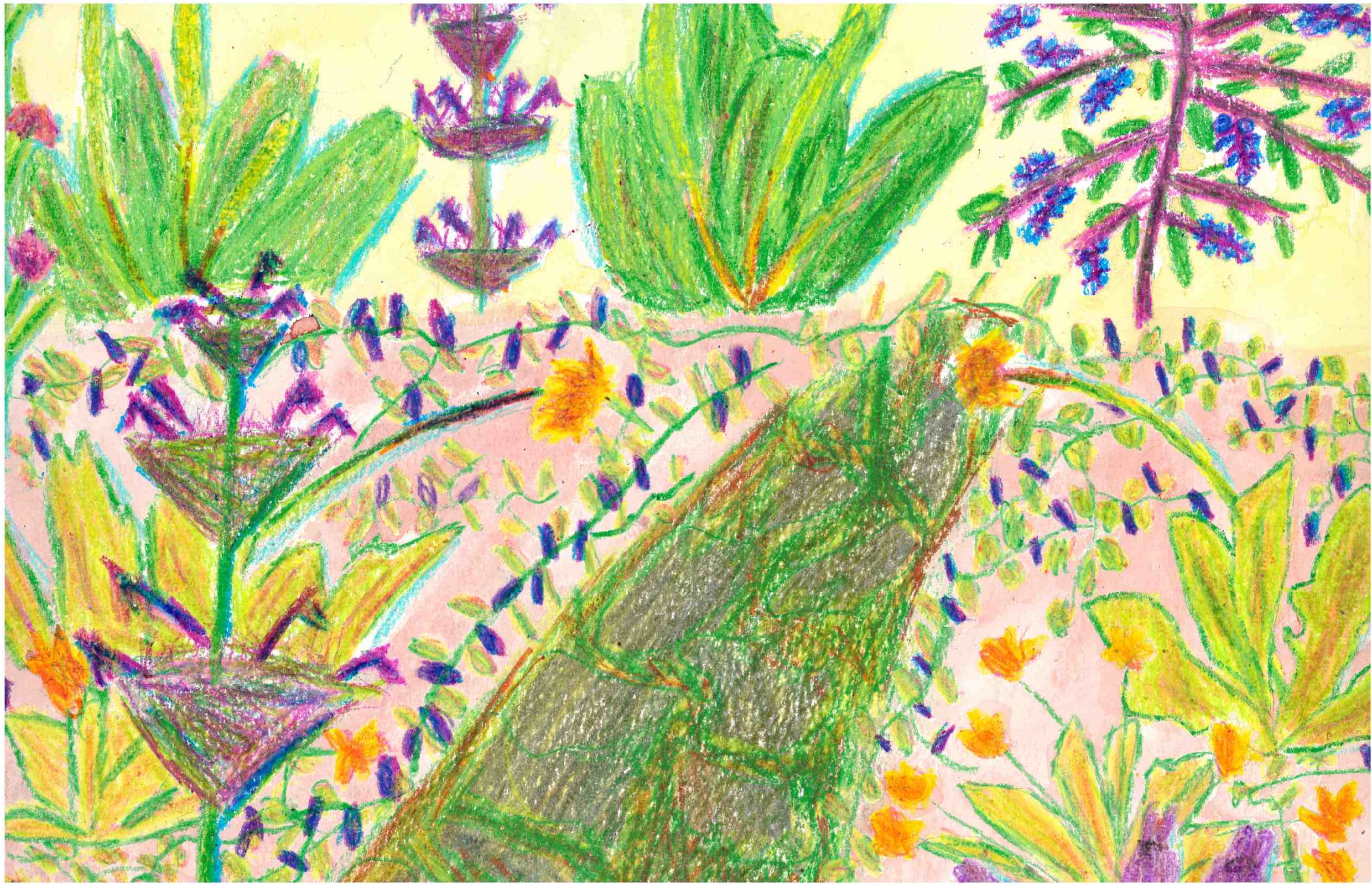
2024 – Resilience
In many ways, nature is the perfect example of resilience. Nature is a network of interacting systems that can absorb loss, transform in the face of change, regrow, develop new interactions, and even give rise to new beings. In part, it may be simply living amidst nature’s incredible example of resilience that inspires our own sense of strength. And yet, despite this almost magical adaptability, our human use of nature has pushed it dangerously close to the edge of its own ability to adjust, to bounce back, to be resilient. And so we are faced with a bit of a dilemma. We have built our human systems on the use of nature, and yet that use, or overuse of nature, is undermining its resilience and thereby ours as well. Our fates are completely interwoven.
2024 Winners & Special Distinctions
Emily Gilley, 'New Growth' [First Place]
![Emily Gilley, 'New Growth' [First Place]](https://vineyardconservation.org/wp-content/uploads/2026/02/Emily-Gilley-New-Growth-First-Place-1-scaled.jpg)
Audrey Atkins, 'Temporary' [First Place]
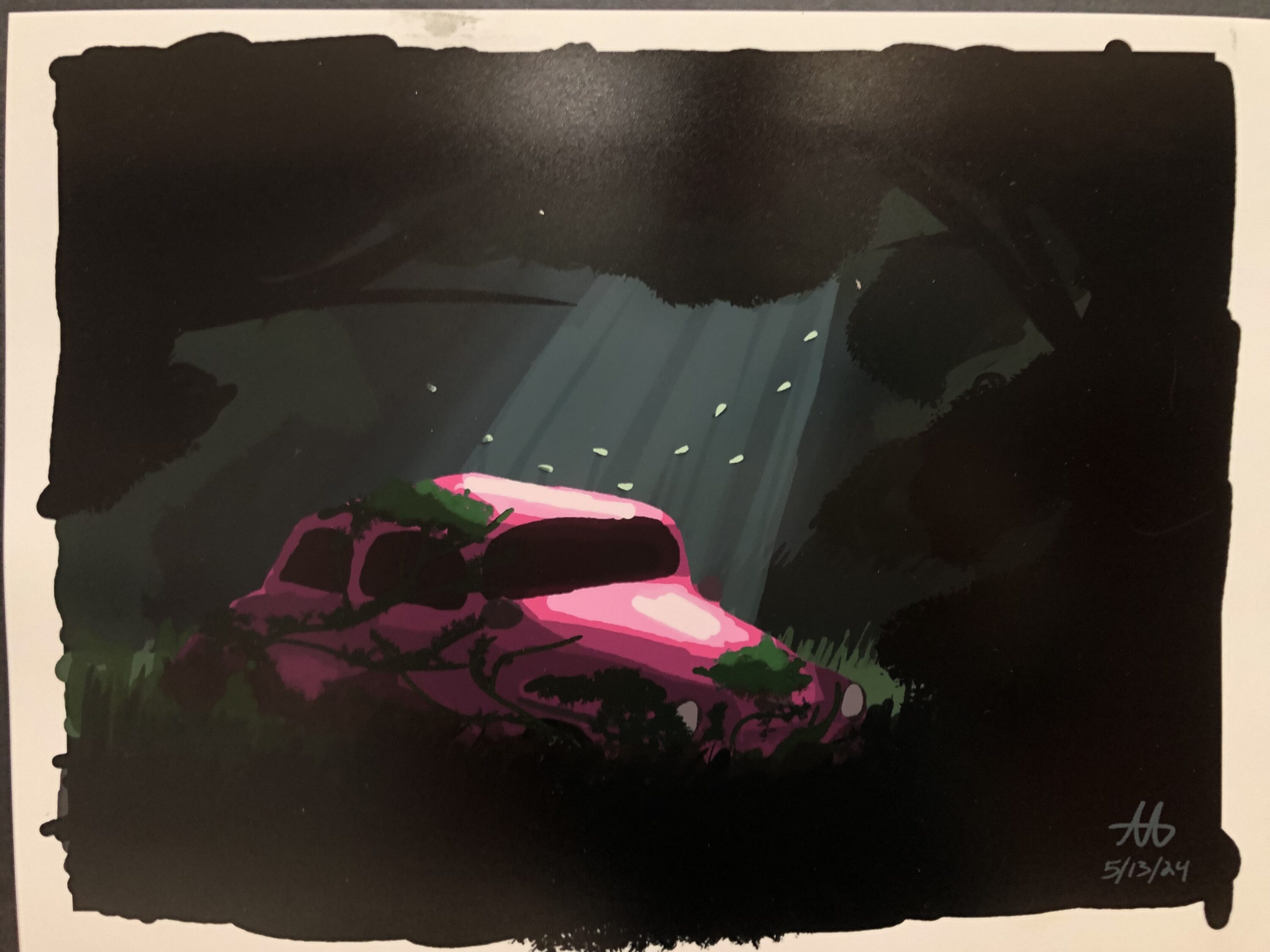
Greyson Hartzband, 'Slow Escape' [First Place]
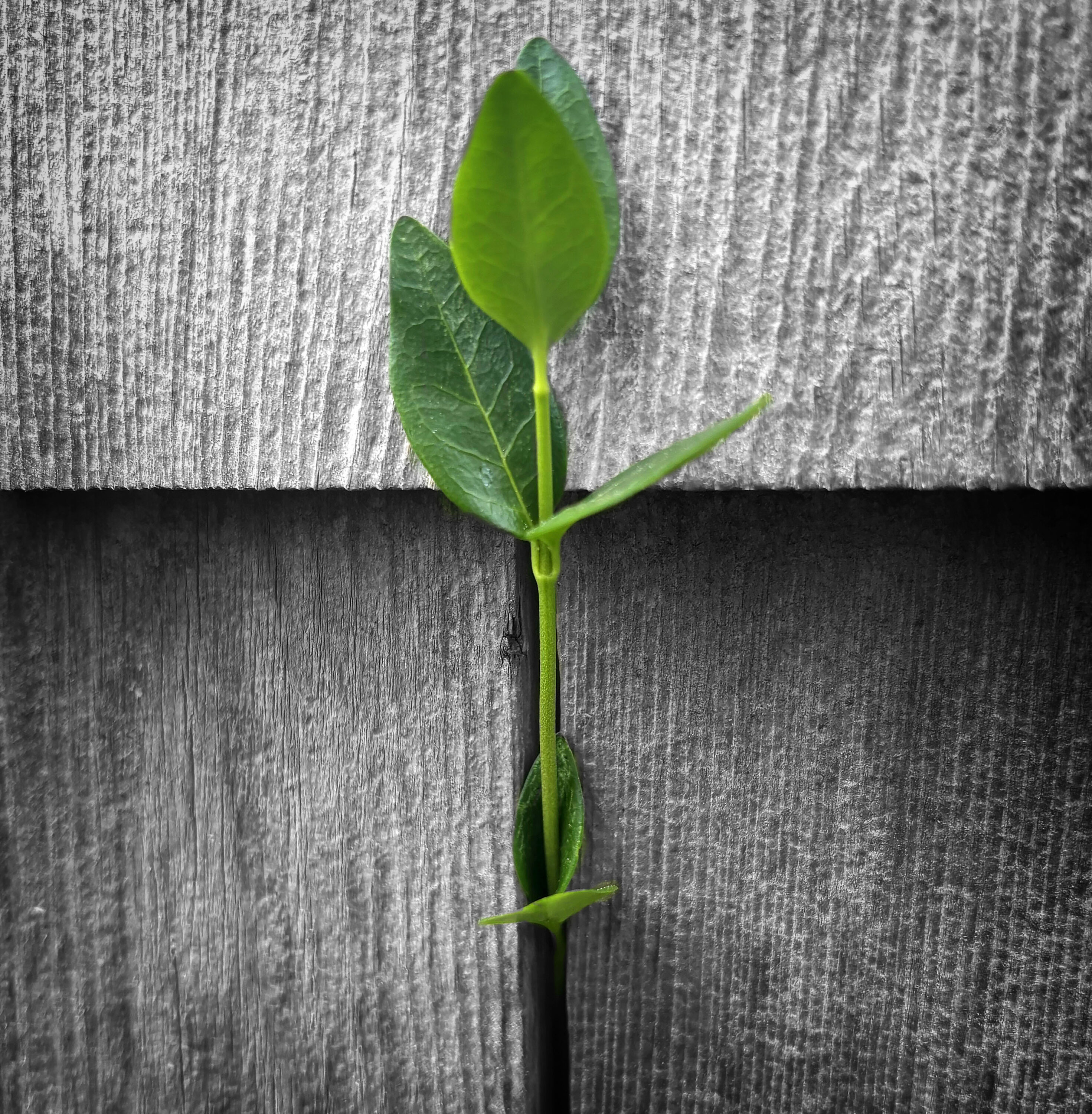
Sylvia Carroll, 'Perseverance in Bloom' [Special Distinction]
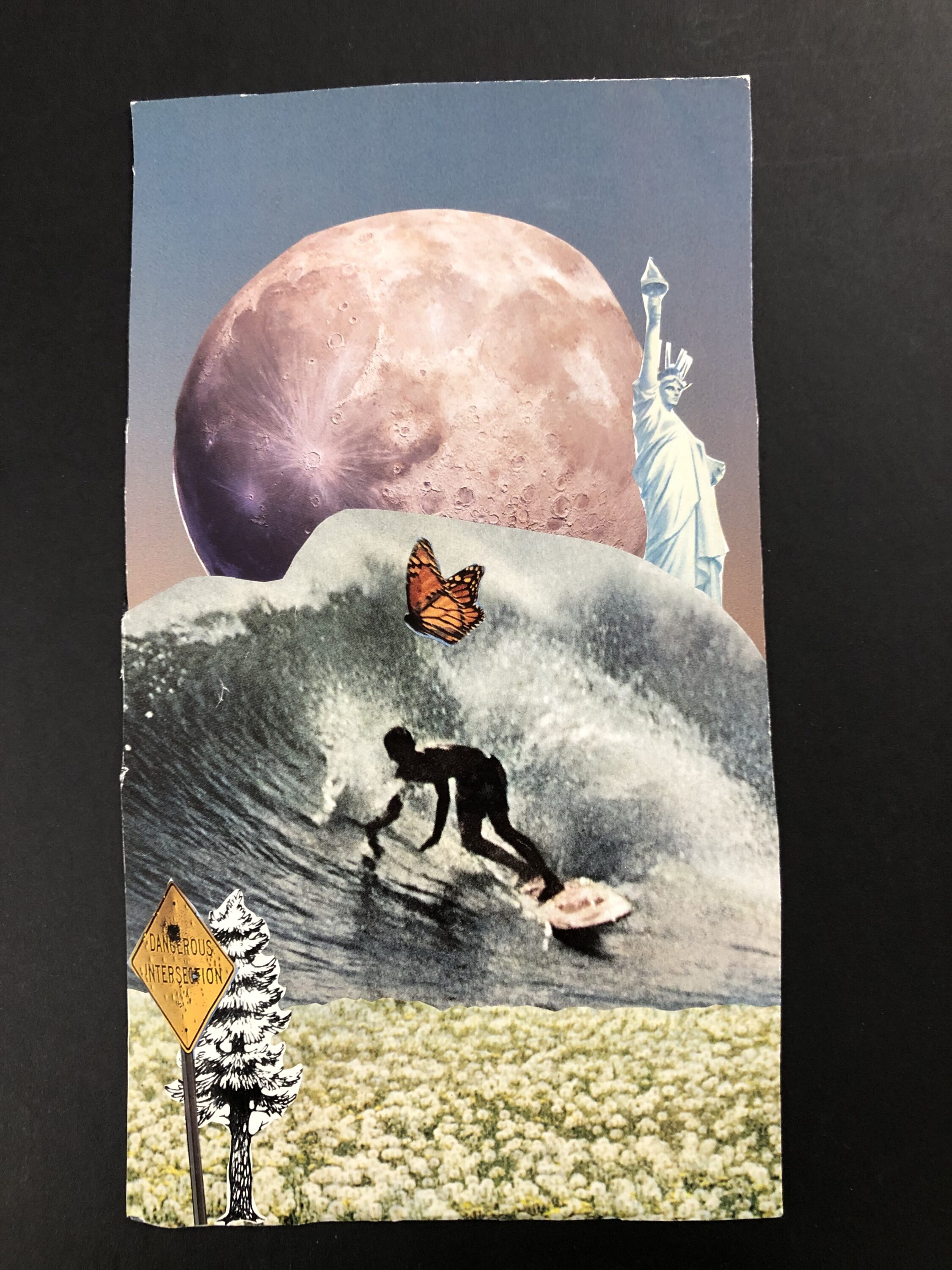
Angelica MacFarland, 'Potted Plants' [Special Distinction]
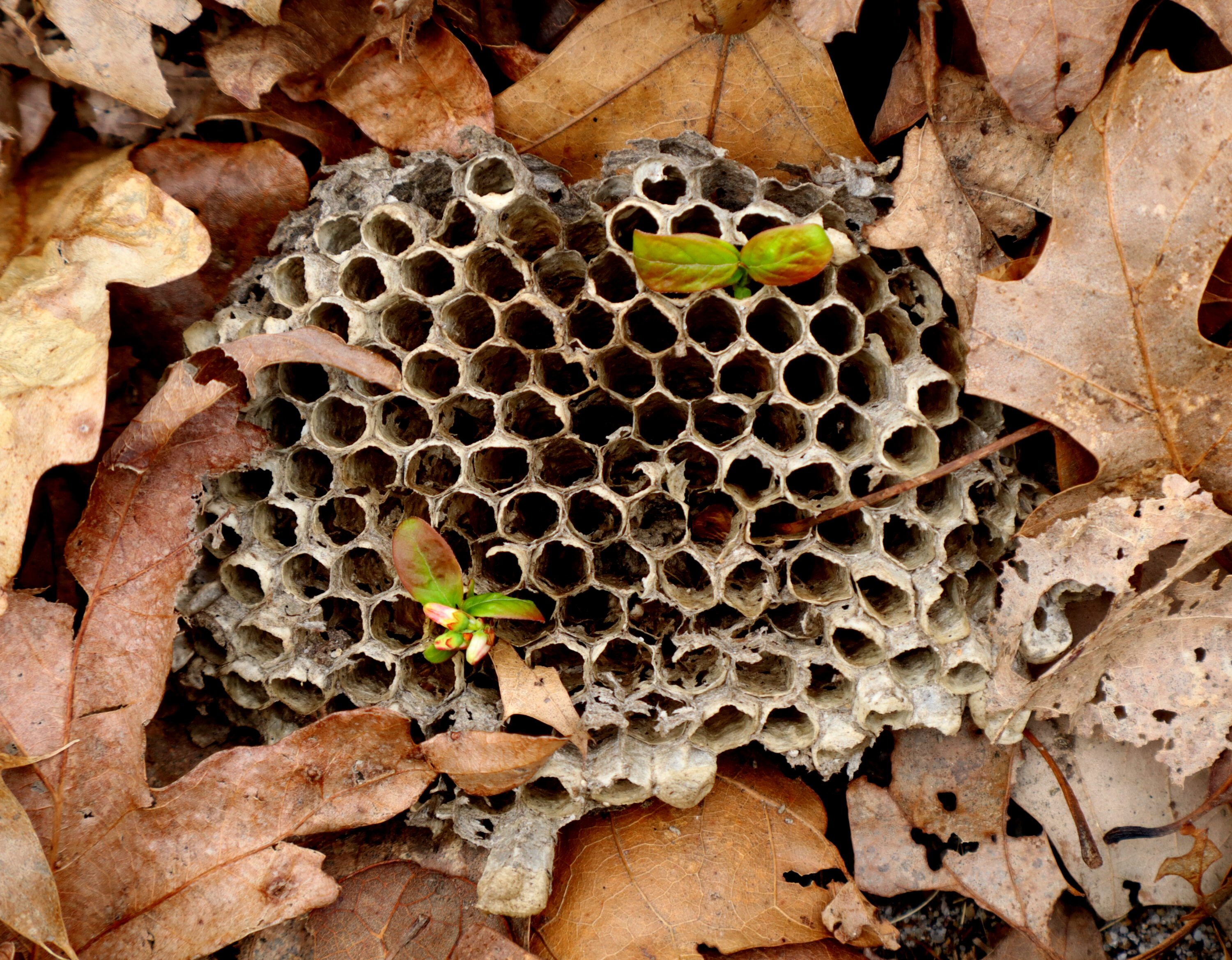
Madison Mello, 'Washed Ashore' [Special Distinction]
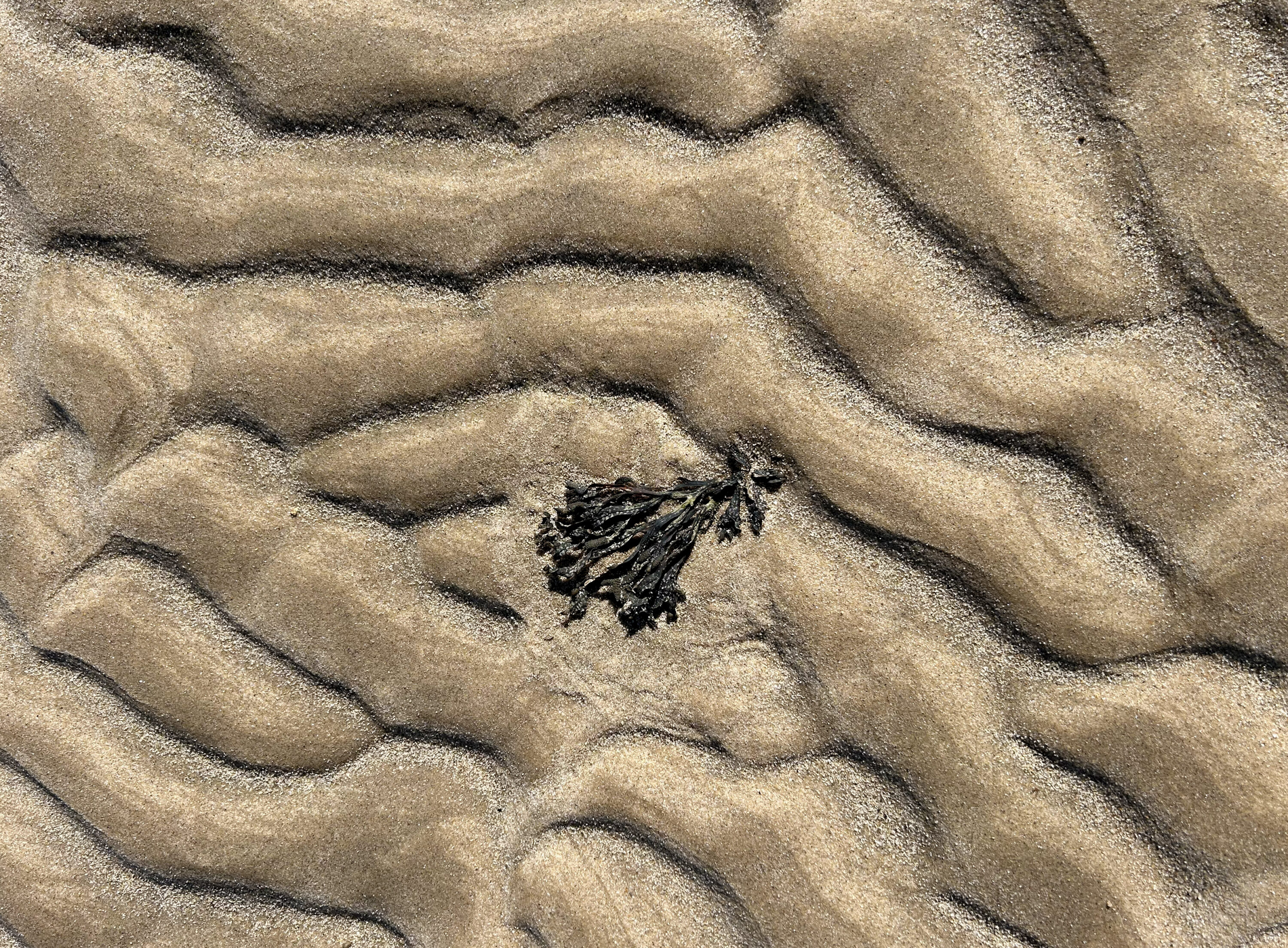
Paula Geschke, 'Resilient Tide Plastic Echoes' [Special Distinction]